

Is it worth including?
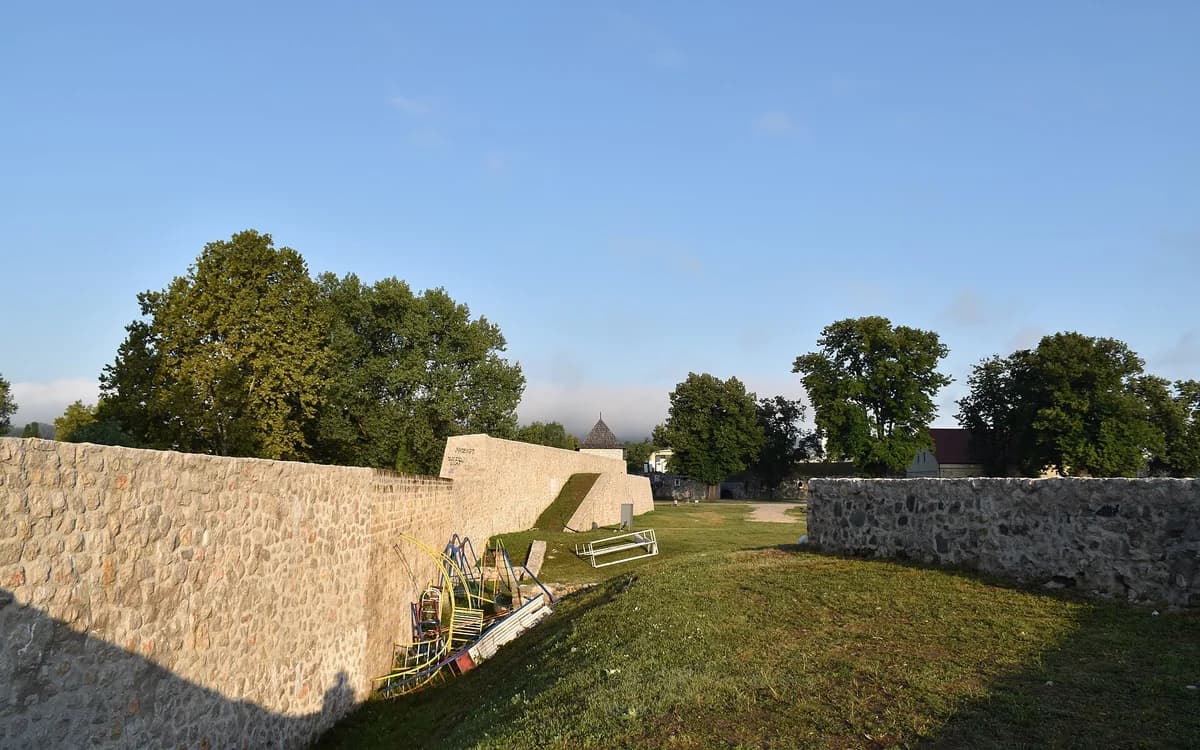
Central Banja Luka · pairs naturally with Kastel It fits naturally into a visit to this part of the destination.
- Allow
- Allow around 30–60 minutes for the mosque complex, longer if a respectful interior visit is possible and you want to read the memorial context carefully.
- Getting there
- Ferhadija is in central Banja Luka, close to Kastel and the main walking area.
- Ground / accessibility
- The courtyard is compact, but thresholds and worship-space arrangements can affect access. Visitors needing step-free entry should confirm current arrangements with the mosque community.
Understanding Ferhadija Mosque
Ferhadija Mosque is one of the defining monuments of Ottoman Banja Luka. The Islamic Community of Bosnia and Herzegovina dates the mosque to 1579 and attributes it to Ferhat Pasha Sokolović, the Bosnian governor whose building activity helped shape the city during its period as an important Ottoman administrative center. The national-monument designation covers more than the prayer hall, including associated tombs, fountain, harem, walls and portal.
The twentieth-century and postwar history is inseparable from the visit. Ferhadija was destroyed on 7 May 1993. Reconstruction took many years and the rebuilt mosque formally reopened on 7 May 2016. That makes the site both an architectural landmark and a living memorial to destruction, return and the restoration of religious life in central Banja Luka.
What to see, and what deserves a closer look
See the mosque first as an active place of worship. The exterior proportions, courtyard elements and relation to the surrounding central streets can be appreciated without turning the visit into an intrusive interior tour.
Pair Ferhadija with Kastel. The short distance between them shows how Banja Luka’s Ottoman civic-religious layer and older fortified river edge occupy the same compact center.
Look for these details
- The reconstructed Ottoman mosque and its carefully composed central-city setting.
- The wider protected ensemble of courtyard, tombs, fountain and historic precinct.
- The site’s modern history of destruction in 1993 and reopening in 2016.
How to plan the visit
Do not depend on a generic tourism timetable for interior access. Prayer, religious events and community use determine what is appropriate at any given moment; arrive prepared to appreciate the exterior if the prayer space is not open to visitors.
A central Banja Luka walk can combine Ferhadija, Kastel and nearby civic streets without vehicle transfers. Keep the Vrbas canyon or rafting as a separate geography rather than forcing both into the same short block.
Timing & conditions
Visit outside busy prayer periods if you want to look quietly at the architecture; religious observance always takes precedence over sightseeing.
Respectful visiting
Dress modestly, remove shoes where required, keep voices low, avoid photographing worshippers without permission and follow local instructions for visitor areas.
Avoid these common mistakes
- Treating Ferhadija as a museum with guaranteed tourist access rather than an active mosque.
- Discussing the reconstruction while omitting the fact that the original building was deliberately destroyed during the 1990s war.
Questions before you go
Is Ferhadija Mosque the original sixteenth-century building?
The mosque dates historically to 1579, but it was destroyed in 1993 and subsequently reconstructed, reopening in 2016.
Can non-Muslim visitors see Ferhadija?
The exterior and courtyard can be appreciated as part of central Banja Luka. Interior access should always follow the mosque’s current visitor guidance and prayer schedule.
Nearby sights and a wider itinerary
A central Banja Luka walk can combine Ferhadija, Kastel and nearby civic streets without vehicle transfers. Keep the Vrbas canyon or rafting as a separate geography rather than forcing both into the same short block.
Sources and further reading
History and visitor context are informed by these references. Geographic point provenance and licensed photo attribution are shown separately above; a Google Maps pin is not a historical source.