
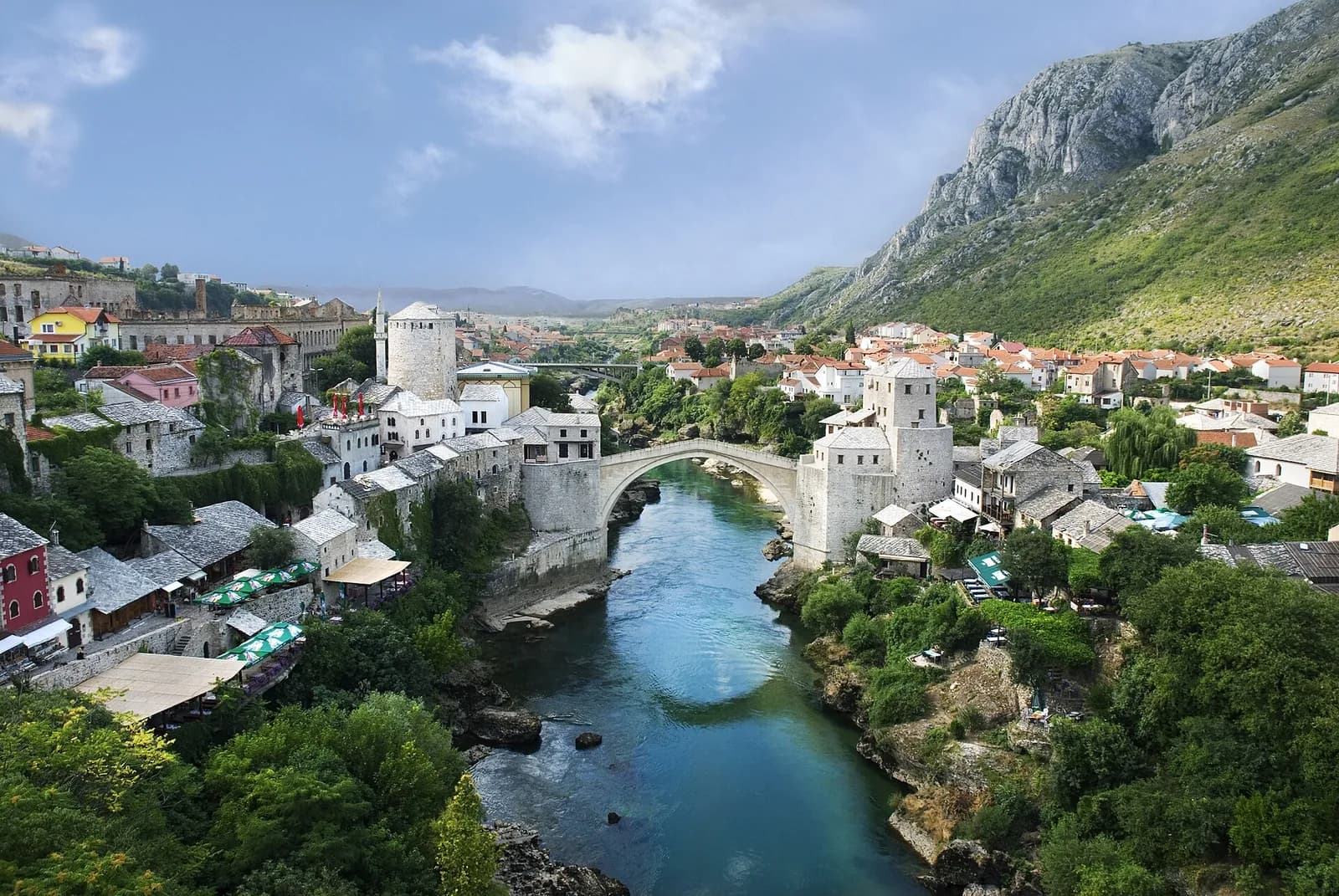
The practical answer
For a first city-and-sightseeing trip, start by comparing spring and autumn dates if you prefer to plan around walking rather than winter sport. Summer can work well when you leave room for breaks and choose outdoor timing carefully; winter should be planned around the specific city or resort experience you want. This is a trip-style recommendation, not a guarantee of weather, lower prices or fewer visitors. Check the forecast and operating dates for every part of your route.
- Choose the season for the experience, not for a single country-wide weather label.
- Sarajevo, Mostar and a mountain resort do not share one set of conditions.
- Historical climate averages describe a baseline, not your travel week.
- Confirm resort or activity operation separately from the month on the calendar.
- Keep a weather alternative for any day that depends on the outdoors.
Match the season to the purpose
These are trip choices rather than weather, availability or crowd guarantees.
| Spring / autumn | Compare for a walking-focused city tripRetain a rain alternative and check your chosen visits. |
|---|---|
| Summer | Leave room for breaks and outdoor timingCheck conditions separately in cities and mountains. |
| Winter | Choose the specific city or resort experienceUse live operation information rather than the month alone. |
| Any season | Forecast plus operator checkHistorical averages cannot settle the day you travel. |
Open the bases this guide talks about.
These links open the accommodation directory for each base; live room prices and availability remain on the booking provider.
A city break and a mountain trip have different calendars
The best month is the one that supports the trip you actually want. For a city break, the useful questions are walking comfort, the interiors you want to visit and how much flexibility you have if it rains. For a mountain trip, access and live resort or activity operation matter as much as the season. Begin with those priorities, then compare dates. A broad statement that Bosnia is good in a particular month cannot settle every part of a route.
Our editorial suggestion for a first general sightseeing trip is to compare spring and autumn with summer rather than choose winter by default. That leaves a choice between the experiences and travel dates that suit you. It does not mean every spring day is mild, that autumn always has clear views or that summer visits should be avoided. If you are tied to a particular date, build the daily plan around the conditions and operations you can actually check instead of assuming the whole itinerary has to change.
Read climate information as context, not a promise
The country’s Second National Communication to the UN climate convention compares Sarajevo and Mostar using historical observation periods, including 1981–2010. It shows why a single country average is a poor basis for choosing a city-and-mountain route. The baseline is historical, not a forecast for 2026 or your future visit. Use climate material to understand regional differences, then use the relevant meteorological forecast and warnings close to travel.
Do not build an itinerary around an exact temperature from a monthly table. A seasonal mean does not describe the daily high, a particular afternoon or the conditions at a different elevation. It also does not establish river conditions, attraction access or a safe outdoor activity. If those details control the trip, check them with the responsible operator or authority. The forecast becomes useful when it changes a decision: which day to walk, where to keep an indoor option or whether to confirm an outing again.
Choose flexible bookings for the part that matters most
Identify the one experience you would be disappointed to miss, then check its actual operating information before committing the whole route. An event, a guided activity and a panoramic lift have their own calendars. They do not necessarily follow the same pattern as city museums or accommodation. If the mountain is the main reason for the trip, start with the resort rather than assume a date in winter or summer makes every facility available.
Keep the rest of the itinerary able to move around that priority. A city walk and an indoor visit can change places more easily than a booked excursion with a fixed pickup. Read the cancellation terms of the actual reservations you are considering and keep the arrival/departure geography straightforward. This is useful in every season. You are buying a set of practical arrangements, not a guarantee that the weather will match the photograph that first made you want to visit.
The details that change the decision.
Use the short sections above for orientation; use these deeper notes when you are choosing the actual route, transfer or overnight.
Summer: plan a day with room to pause
If your trip falls in summer, choose the parts of a sightseeing day that can move. A more exposed walk, a long interior visit and a meal need not occur in the order a list gives them. Use the actual forecast to decide when you would prefer to be outside and when a break would be welcome. Keep the full-day excursion for a day when its conditions and return arrangements make sense, rather than add it simply because the season sounds suitable.
For Mostar and Herzegovina, use the existing sightseeing and day-trip guides to choose fewer substantial stops. For Sarajevo, keep a city day separate from a mountain or park outing. Avoid promising that one region will have no rain or that a waterfall visit always includes swimming. The useful summer adjustment is flexibility in the day, not an invented average temperature or a claim that every outdoor choice has the same requirements.
Spring and autumn: keep the route adaptable
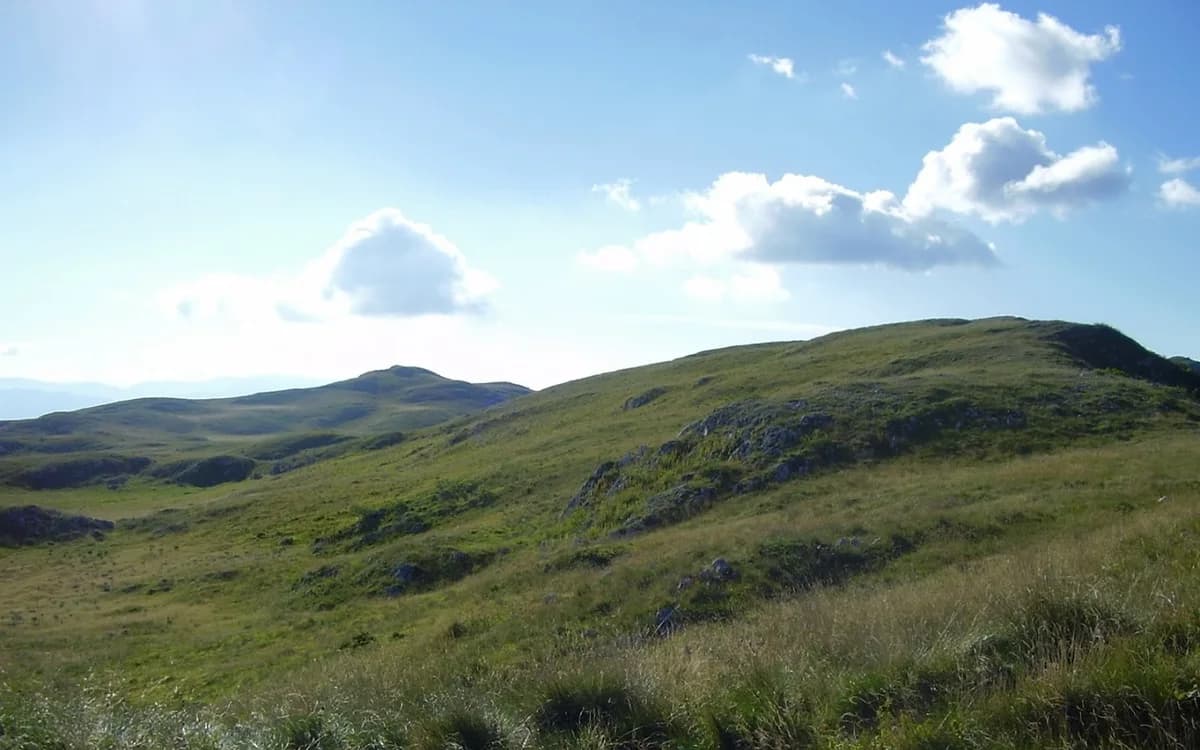
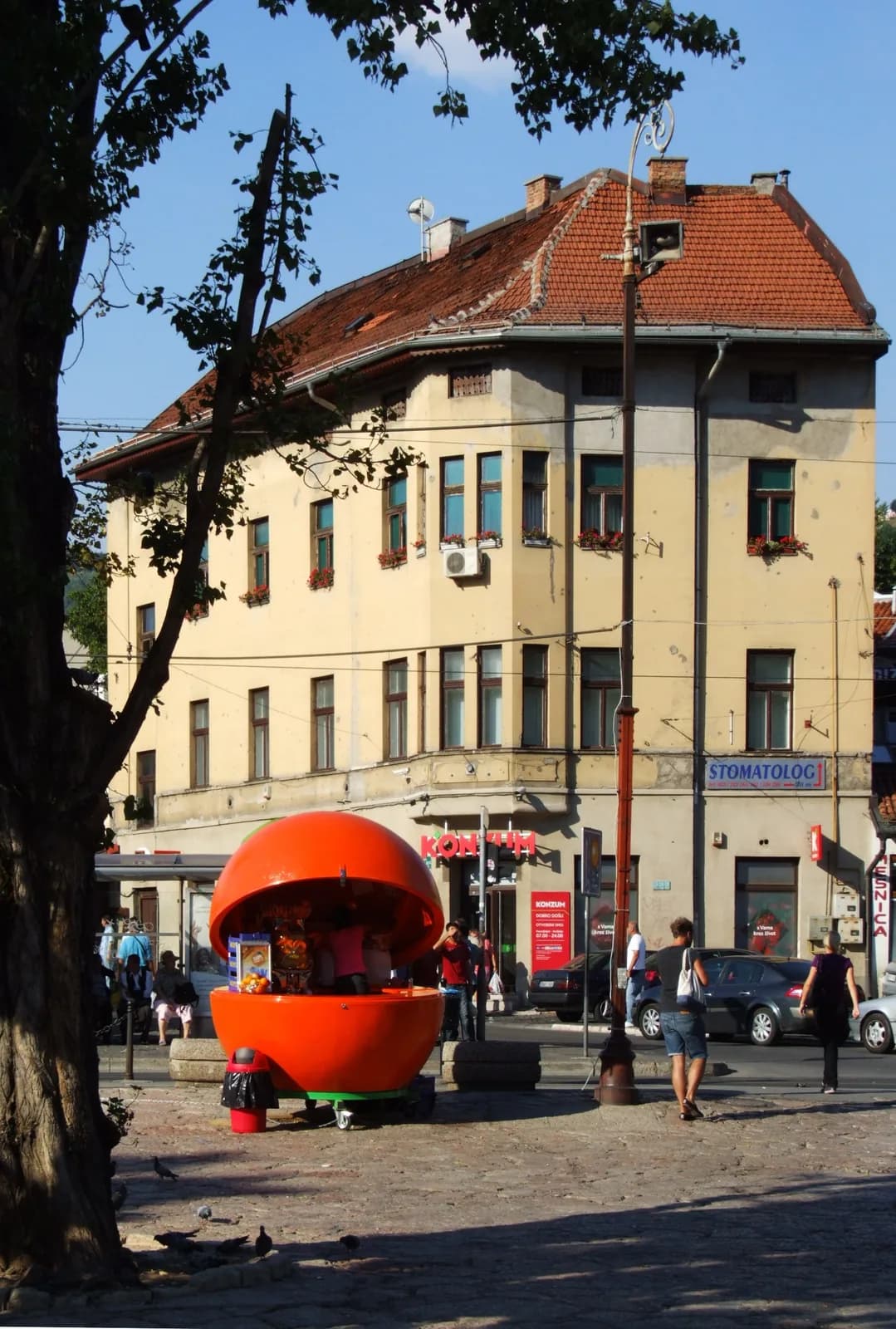
For a sightseeing route in spring or autumn, let the city interiors and open-air stops support each other. If one outdoor day becomes less attractive, you can use a focused museum visit or a shorter town walk without losing the purpose of the trip. Build that alternative while planning, not only when you wake up to a different forecast. The rainy-day Sarajevo guide is one example of how to make an alternative interesting rather than simply wait indoors.
Do not assume a quieter season guarantees cheaper rooms or fewer people at your chosen sight. Those claims need actual dates and evidence. Check the bookings you want, any event that matters and the individual operation of tours or lifts. A flexible route with two useful bases can be easier to adapt than a sequence of single-night stops, especially when each move uses part of the day you could otherwise spend choosing the best experience for the conditions.
Winter and mountains: confirm the reason for the stay
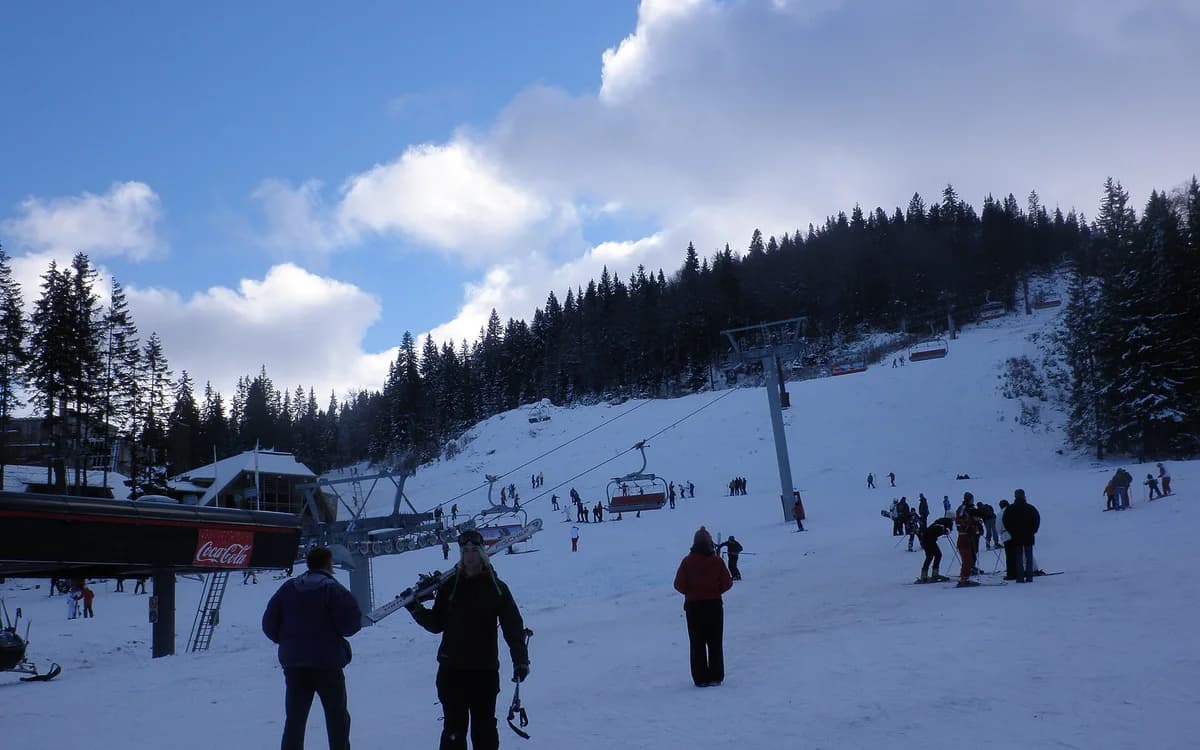
A winter mountain stay should begin with the specific activity and operating area. The same applies to a summer resort visit: the resort’s own current information is the source for what is actually offered. A seasonal title on a page is not proof that every listed facility will operate throughout the period. Check the conditions relevant to your booking and the route to the accommodation before treating the resort as a simple extension of a city itinerary.
For a city-focused winter visit, keep outdoor walking optional enough that you can enjoy the interiors and food stops you came for. Use the packing guide for equipment and the meteorological service for current conditions; this page does not replace either. Reserve time for the real arrival and departure, especially when the mountain portion is the point of the trip. You should be able to explain why the chosen dates help your main experience, rather than rely on a generic best-month claim.
Before choosing the travel dates
- Name the experience that matters most and check its operating dates.
- Compare forecasts and regional context for every base, not just Sarajevo.
- Keep one useful indoor or shorter alternative for outdoor-dependent days.
- Read actual cancellation conditions for the reservations you choose.
- Check the mountain/resort operation separately from city sightseeing.
Short answers before you lock the route.
What is the best season for a first Bosnia sightseeing trip?
Compare spring and autumn if walking and city visits are the priority, then consider summer if those are the dates that suit you. This is an editorial starting point; check regional conditions, forecasts and your chosen activities.
Can I use Sarajevo weather for a Mostar or mountain day?
Use a location-specific check instead. Historical climate information shows regional differences, and a city forecast is not evidence of the conditions or operation at a higher-elevation resort.
Does a summer or winter date guarantee activities are open?
No. Check the actual resort, site or activity calendar and any current service notice. Season labels and climate averages do not establish that a specific lift, tour or facility will operate.
Official and primary links
Use these links for live transport, road, weather or resort details referenced in the guide.