
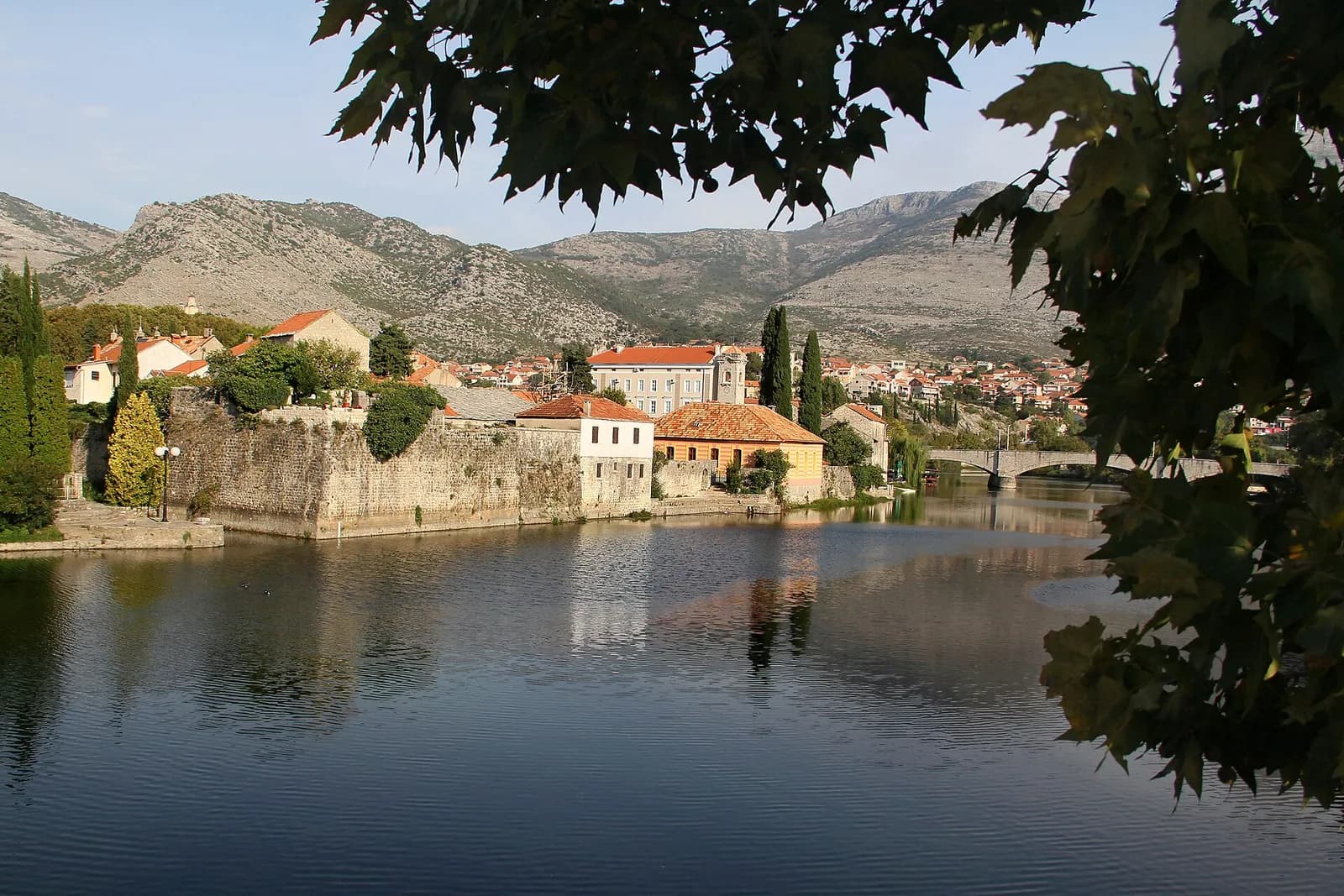
Is it worth including?
Old Town · cafés · river walks It fits naturally into a visit to this part of the destination.
- Allow
- Allow about 1–2 hours for a first unhurried circuit, longer if you stop for a meal, museum or religious interior.
- Getting there
- The Old Town is in central Trebinje and the official tourism organization describes it as a walking sight; it is also close to the central bus-station-to-center route.
- Ground / accessibility
- The district is compact, but old paving, thresholds and narrow historic passages can matter for wheelchairs, strollers and anyone with limited mobility. Check the specific interior you plan to visit rather than assuming the whole historic fabric is step-free.
Understanding Trebinje Old Town
Trebinje’s present walled Old Town took shape after the late-seventeenth-century wars between the Ottoman Empire and the Holy League changed the frontier around Herzegovina. Trebinje Tourism explains that the loss of Herceg Novi and Risan to Venice made a stronger administrative and defensive center necessary on the Trebišnjica. Osman Pasha Resulbegović became the key figure in that project, beginning fortification work in 1714 with builders brought from Dubrovnik and labor from the surrounding region.
The fortified settlement grew rather than appearing in one finished plan. A canal connected to the Trebišnjica formed part of the defensive system, while the Sultan Ahmed and Osman Pasha mosques and the clock tower became important elements inside the walls. The early triangular form was rounded and expanded, with the recognizable towers, ramparts and enclosed street pattern taking shape during the first decades of the eighteenth century. The later filling of the moat changed the approach, but the compact relationship between walls, river and urban life remains legible.
What to see, and what deserves a closer look
The value of the Old Town is not one monument at the end of a route; it is the short sequence of gates, stone lanes, religious buildings, cafés and glimpses of the Trebišnjica inside a still-lived-in center. Walk slowly enough to notice how quickly the fortified footprint opens onto the river and the broader modern city.
Visit it twice if you are staying centrally: once as a daylight orientation walk and again when the cafés and riverfront become the focus. The second pass helps distinguish Trebinje’s everyday evening life from the more formal sightseeing stops on Crkvina hill or at Tvrdoš.
Look for these details
- The enclosed street pattern and surviving ramparts that show how the eighteenth-century fortified town related to the Trebišnjica.
- The Sultan Ahmed and Osman Pasha mosques and clock-tower area, which add civic and religious history to the defensive story.
- The immediate transition from the walled core to the river and central Trebinje walking network.

How to plan the visit
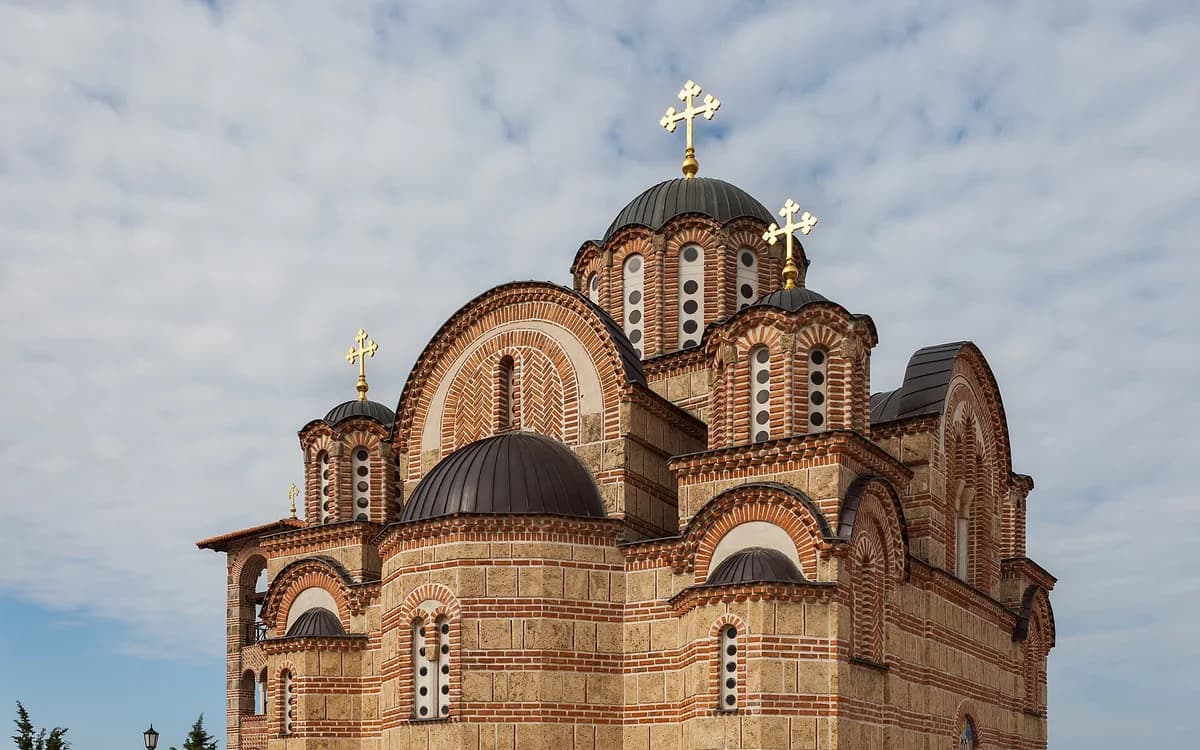
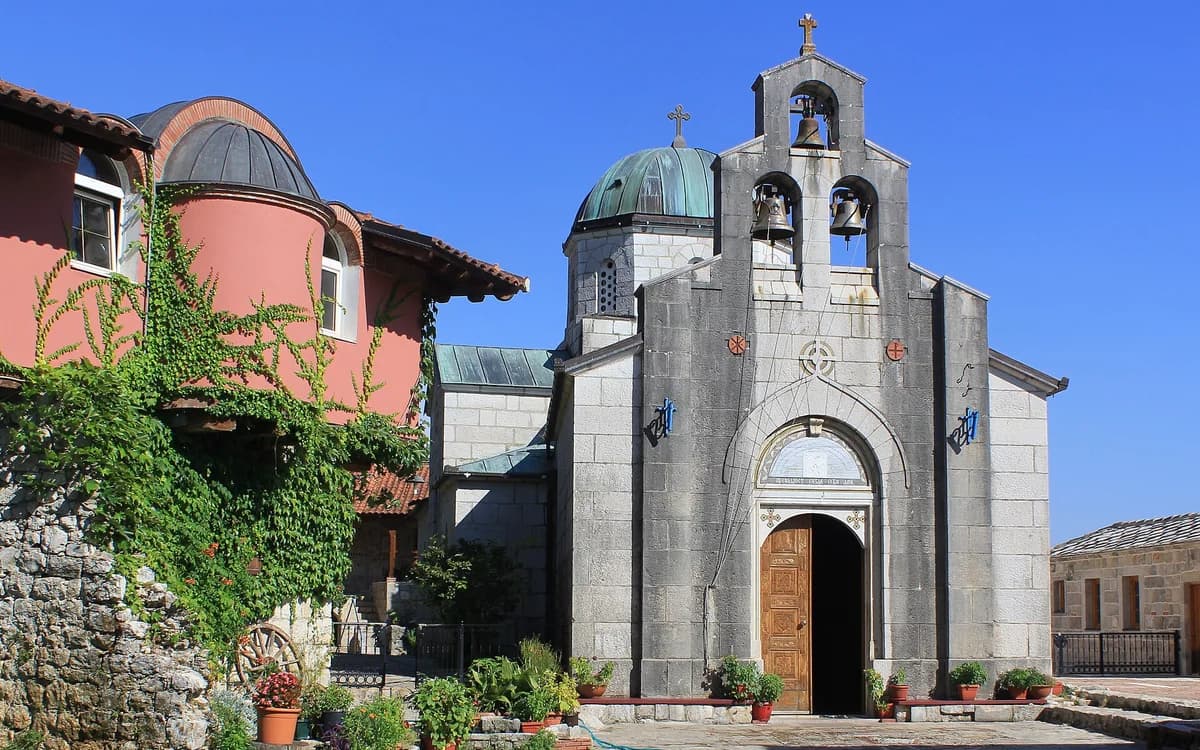
Treat the Old Town as the anchor of a central Trebinje walking block. It combines naturally with Dučić’s park, the plane-tree square and the river; Arslanagić Bridge can extend the walk, while Hercegovačka Gračanica and Tvrdoš are separate outings because they change the elevation or transport problem.
Do not build the day around a supposed fixed opening window for the district itself. Individual religious, museum and commercial interiors set their own access conditions, so use the public lanes and riverfront as the stable core and verify any interior you particularly want to enter.
Timing & conditions
Daylight is best for reading the fortifications and river relationship; early evening is useful for experiencing the center as a living social district rather than an empty monument zone.
Respectful visiting
Remember that the Old Town contains active religious buildings, homes and businesses. Dress appropriately for mosque interiors, follow posted access rules and avoid treating residential doorways as photo sets.
Avoid these common mistakes
- Treating the Old Town as a single ten-minute photo stop instead of the central orientation point for a Trebinje day.
- Moving accommodation or parking strategy toward an outlying sight when the compact center is where you expect to spend the evening.
Questions before you go
Is Trebinje Old Town a separate day trip?
No. It is the natural center of a Trebinje city day and works best as part of the same walk as the riverfront, central squares and nearby civic sights.
Do you need a car for Trebinje Old Town?
Not for the historic center itself. A car becomes more useful for places such as Tvrdoš, wine-country stops and wider Eastern Herzegovina outings.
Nearby sights and a wider itinerary
Do not build the day around a supposed fixed opening window for the district itself. Individual religious, museum and commercial interiors set their own access conditions, so use the public lanes and riverfront as the stable core and verify any interior you particularly want to enter.
Sources and further reading
History and visitor context are informed by these references. Geographic point provenance and licensed photo attribution are shown separately above; a Google Maps pin is not a historical source.