
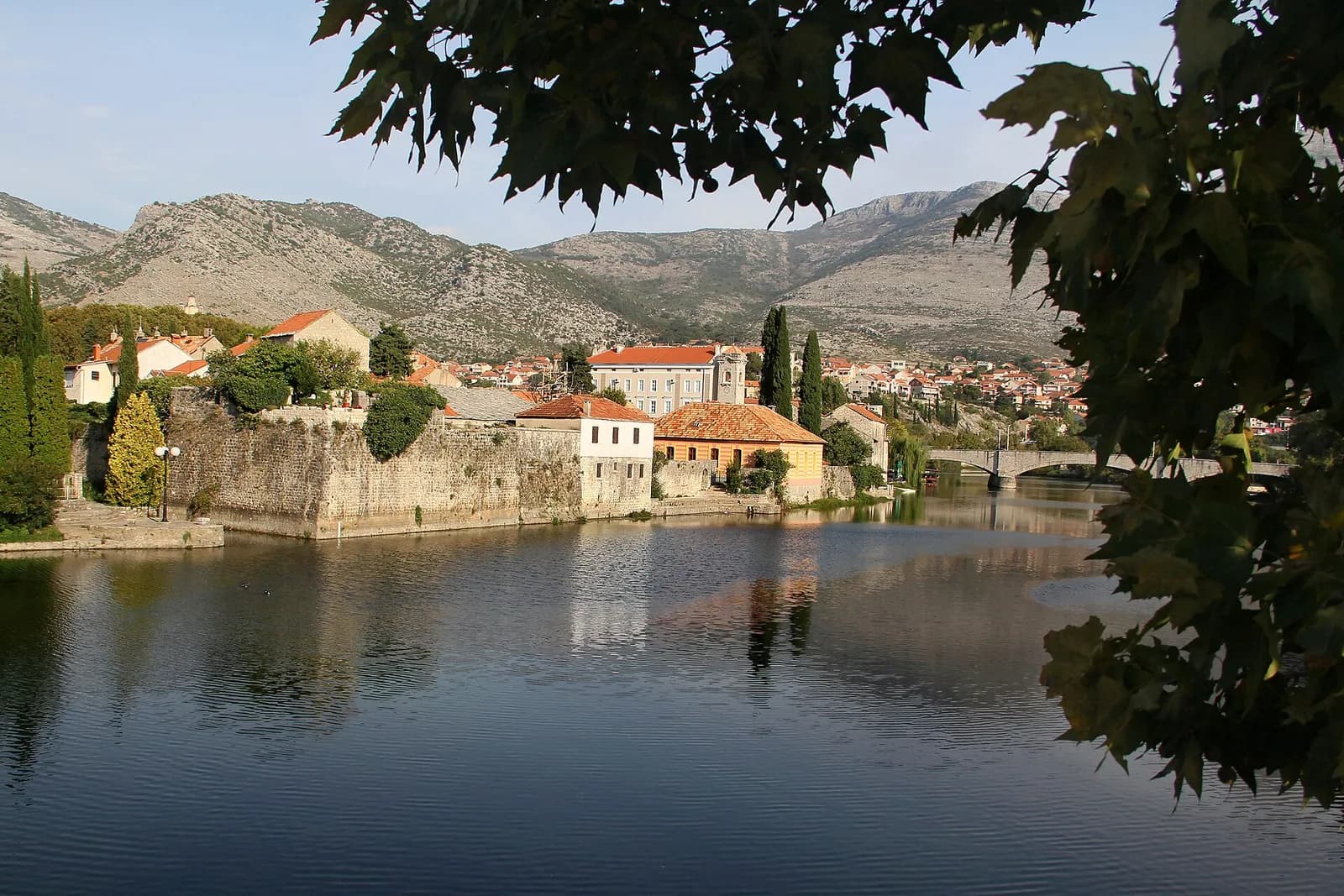
The practical answer
Choose a cellar when you want to learn from a producer; a restaurant when the meal is the main event; a market-and-coffee outing when an independent or alcohol-free day appeals. Confirm the actual venue, food inclusions and return. A tasting’s small pairing is not automatically a full lunch, and a route listing is not a reservation.
Compare the options
| Decision | Cellar visit: learn how one actual producer works | Restaurant or wine bar: let a real meal lead | Town market and coffee: a flexible alcohol-free day |
|---|---|---|---|
| Main reason to visit | A producer's grape and winemaking practice | A seated meal, potentially with optional wine | Town food culture, market discovery and coffee |
| Who controls the visit | Individual producer or monastery cellar | Independent restaurant/wine-club operator | Individual vendors, cafes and public town settings |
| What food means | Sometimes a small tasting plate, not necessarily a full meal | Menu and dietary service depend on the actual venue | Shop/market choices vary daily; no all-inclusive menu |
| Alcohol-free participation | Ask whether you can join without tasting | Ask for alcohol-free drinks and ingredient details | No tasting necessary; choose independent food/heritage |
| Booking and timing | Advance arrangements may be required even when listed on HWR | Check actual seating, kitchen and reservation schedule | Check local trading times and respect private homes |
| Return and accessibility | Confirm rural/site transport and steps before booking | Prefer an accessible, practical route from your actual base | Verify surfaces, market hours and individual mobility needs |
Cellar visit: learn from a producer
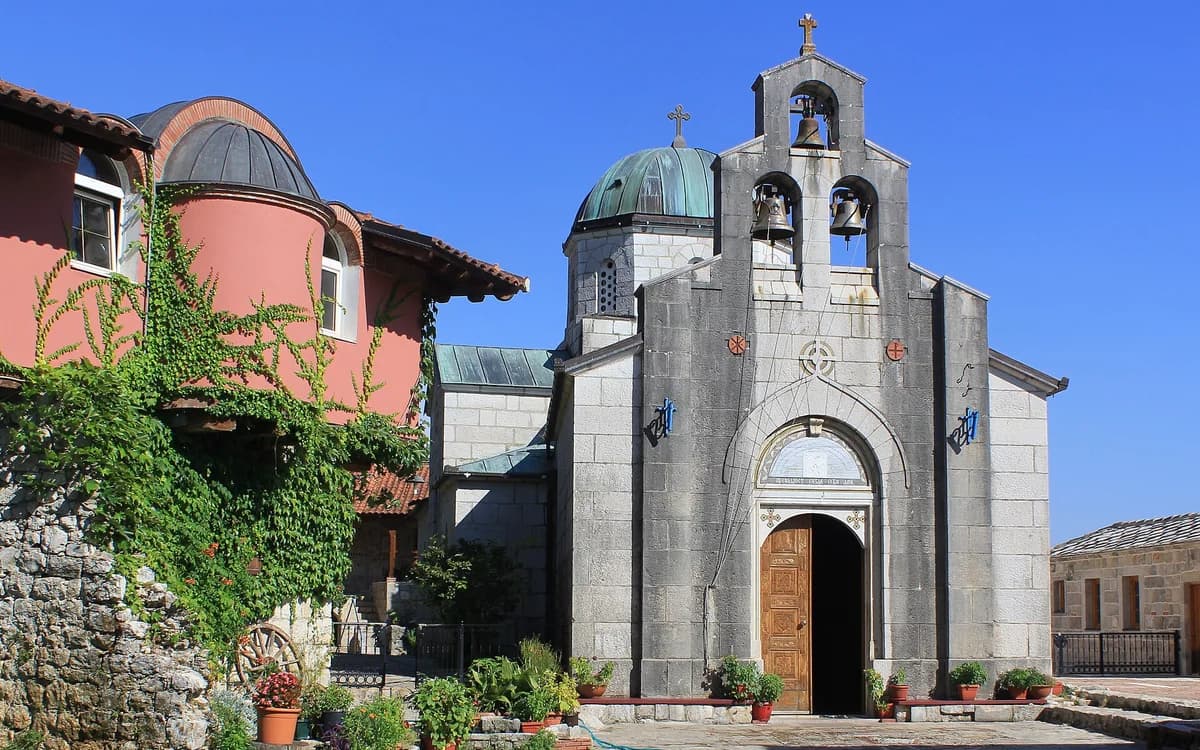
Photo credit
“Tvrdoš Monastery 04” — Stolbovsky · Wikimedia Commons · CC BY-SA 4.0 · Cropped to a 16:10 editorial frame, resized to 1200×750 and converted to WebP for local web delivery.HWR lists individual wine cellars, including the monastic wine cellar at Tvrdoš and privately operated wineries. Its directory distinguishes advance booking and other offer categories. A cellar tour may discuss vineyard work, production, ageing and the specific wines offered by that host, but public source descriptions cannot guarantee that every listed part of the tour is available on the date you choose. Ask if tasting is optional, whether a non-drinking participant can join, if minors may enter and whether the tour includes food. Religious spaces at Tvrdoš remain different from any cellar or shop access.
Restaurant or wine bar: let the meal lead
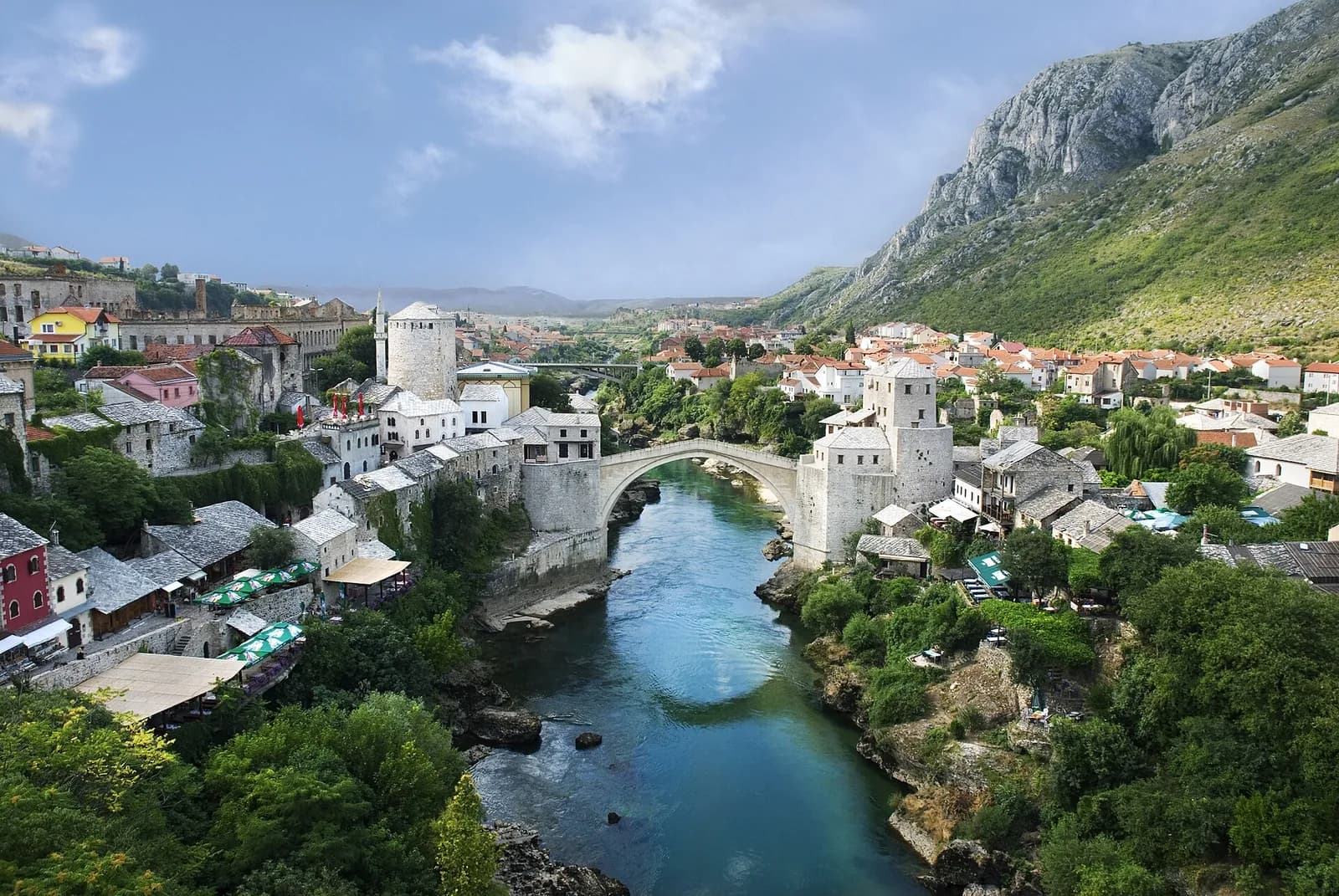
Photo credit
“Mostar Old Town Panorama 2007” — Ramirez · Wikimedia Commons · CC BY-SA 4.0 · Resized and converted to WebP for web delivery.The HWR describes restaurant and wine-club experiences as distinct from a vineyard excursion. A venue may offer traditional bread, cheeses, cured meats, seasonal vegetables or river fish, but the regional food descriptions are not a fixed menu and do not certify that a tasting flight comes with dinner. If dietary restrictions or non-alcoholic service matter, check a specific restaurant's real menu and working hours. Choose somewhere your party can actually return from, without assuming the presence of a chauffeur, hotel delivery or a complimentary tasting.
Town market and coffee: an alcohol-free day
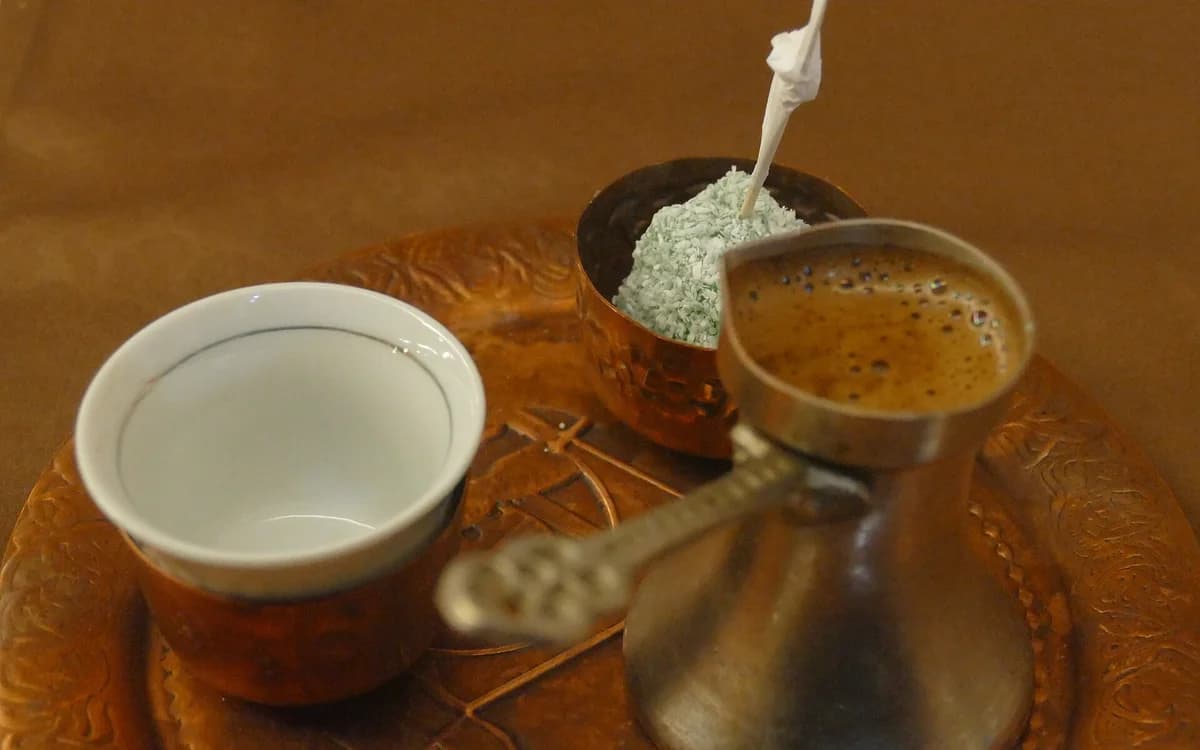
Photo credit
“Bosnian coffee with woodruff” — Hibasi · Wikimedia Commons · CC BY-SA 4.0 · Cropped to a 16:10 editorial frame, resized to 1200×750 and converted to WebP for local web delivery.The wine region also has everyday town life. HWR's Trebinje-focused gourmet itinerary mentions the old town and market, with separately listed rural hospitality. A market visit, coffee break or heritage walk can be planned independently of the cellar, but specific products, vendors and times still change by day. Public streets and ordinary cafes are not evidence that every market stall is open or that a private rural household accepts unannounced guests. Visitors interested in food but not wine should have a complete, dignified itinerary without being forced into a tasting.
Choose the food experience you want
The HWR's wine-experiences directory includes filters such as a restaurant, accommodation, vineyard visits and required advance booking. These attributes help identify what a listed business says it can offer, not what will be available at a particular hour. A winery can run a tasting room without operating a full dining service; a restaurant may have a wide wine list without offering a guided cellar tour. When HWR describes a tasting paired with cured meats, cheese, fruit or local bread, read that as a promotional description of that listing until the operator verifies the current menu and price. A scenic hotel or rural household does not automatically admit outside guests for a meal. Build the day around the format you need rather than assuming every vendor supplies every option.
The official HWR food overview describes fired bread, local cheeses, fresh fish, vegetables, honey and seasonal food, including cooking under a metal or stone bell and open-fire methods. These are meaningful regional traditions but cannot establish a particular restaurant's ingredients or food-safety practices. A traveler with allergies, vegetarian restrictions or young children should ask the venue directly about its kitchen and cross-contact rules. Even a hearty regional platter pictured on a tourism page is not evidence that the plate is offered with an unrelated tasting next week. A fully alcohol-free café, bakery and market experience can be just as culturally instructive, and a waiter or producer should not be expected to offer drinks free of charge.
- Decide whether you need education, a full meal, or a self-paced market outing.
- Confirm if a tasting plate is a snack or an actual lunch.
Keep the day in one area
Herzegovina’s wine country spans several distinct areas. A Trebinje market-and-lunch day belongs to a different itinerary from a Mostar stay with a Čitluk cellar visit. Choose one area and give the meal or producer your attention. The wine route’s sample gourmet page mixes Trebinje in its introduction with western Herzegovina in its timetable, so use it for ideas rather than following that schedule. For your own day, agree the actual venue, address, opening and transport.
If anyone consumes alcohol, that person must not drive afterward. A sober designated driver, a specifically agreed professional transfer, or a suitable walkable restaurant after an actual accessibility review is a more sensible starting point than an optimistic assumption about rural taxis. A market and lunch can avoid the alcohol question entirely. A monastery such as Tvrdoš is a living Orthodox religious institution: a HWR wine-cellar listing does not grant unrestricted access to prayer spaces or private monastic life. Respect local people and worshippers when photographing streets and markets. Neither HWR's route example nor this guide verifies prices, on-date product availability, booked guide services or safe step-free entry.
- Pin the actual entrance of each separately managed venue; do not substitute a city centre for a cellar address.
- Confirm a suitable return before any alcoholic tasting; the driver stays completely sober.
Trebinje as a food-and-wine base

Photo credit
“Puente Arslanagić, Trebinje, Bosnia y Herzegovina, 2014-04-14, DD 28” — Diego Delso · Wikimedia Commons · CC BY-SA 3.0 · Cropped to a 16:10 editorial frame, resized to 1200×750 and converted to WebP for local web delivery.The existing Trebinje destination guide and stay searches own the town-base decision. Plan the old town, market or restaurant separately from any outlying cellar, and confirm a safe return or stay in a genuinely accessible town location.
Where to base yourself
Choose the base that makes the next morning easier. Use the destination guide for the location trade-offs, then compare individual stays and confirm the actual journey to the attraction.
Questions that help you plan
Is a wine tasting plate a full meal?
Not necessarily. Ask the named producer about the amount and type of food and whether a restaurant service exists. Regional tourism descriptions cannot promise dinner with each tasting.
Do I have to drink wine on the Herzegovina Wine Route?
No. The route also highlights traditional food, markets and heritage. Whether a specific producer hosts non-drinking guests is an operator-level question.
Can I enter Tvrdoš's church if I book its cellar?
Not by default. The active monastery controls religious spaces separately from any listed cellar experience, photography and shop arrangements.
Do rural households accept walk-ins?
No universal rule is verified. A published tourism itinerary mentioning a rural household is not permission to enter private property or proof of current table availability.
Where should I stay for a food-first outing?
Mostar suits its own old-town meals; Trebinje suits its old town and market. Rural cellars need separately checked transport, regardless of which town you choose.
Can I drive after a small wine tasting?
No. Do not plan to drive after consuming alcohol. Arrange a completely sober designated driver, a verified transfer or a non-drinking day instead.
Sources and further reading
Operator and heritage references support the descriptions; our existing guides provide additional context. Opening, admission, transport and seasonal services can change. Check with the responsible operator for your travel date. Images carry separate credits.
- Herzegovina Wine Route — winery, vineyard and restaurant experience distinctions Source reviewed 2026-10-15
- Herzegovina Wine Route — regional food overview Source reviewed 2026-10-15
- HWR — example Trebinje gourmet/market and rural-food itinerary Source reviewed 2026-10-15
- HWR — Trebinje wine town and historical context Source reviewed 2026-10-15
- HWR — Tvrdoš Monastery Wine Cellar and advance-booking record Source reviewed 2026-10-15
- HWR — wine-route towns and named food/wine members Source reviewed 2026-10-15